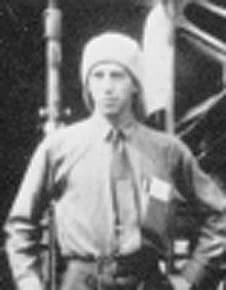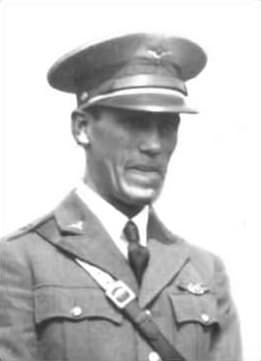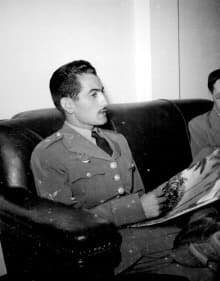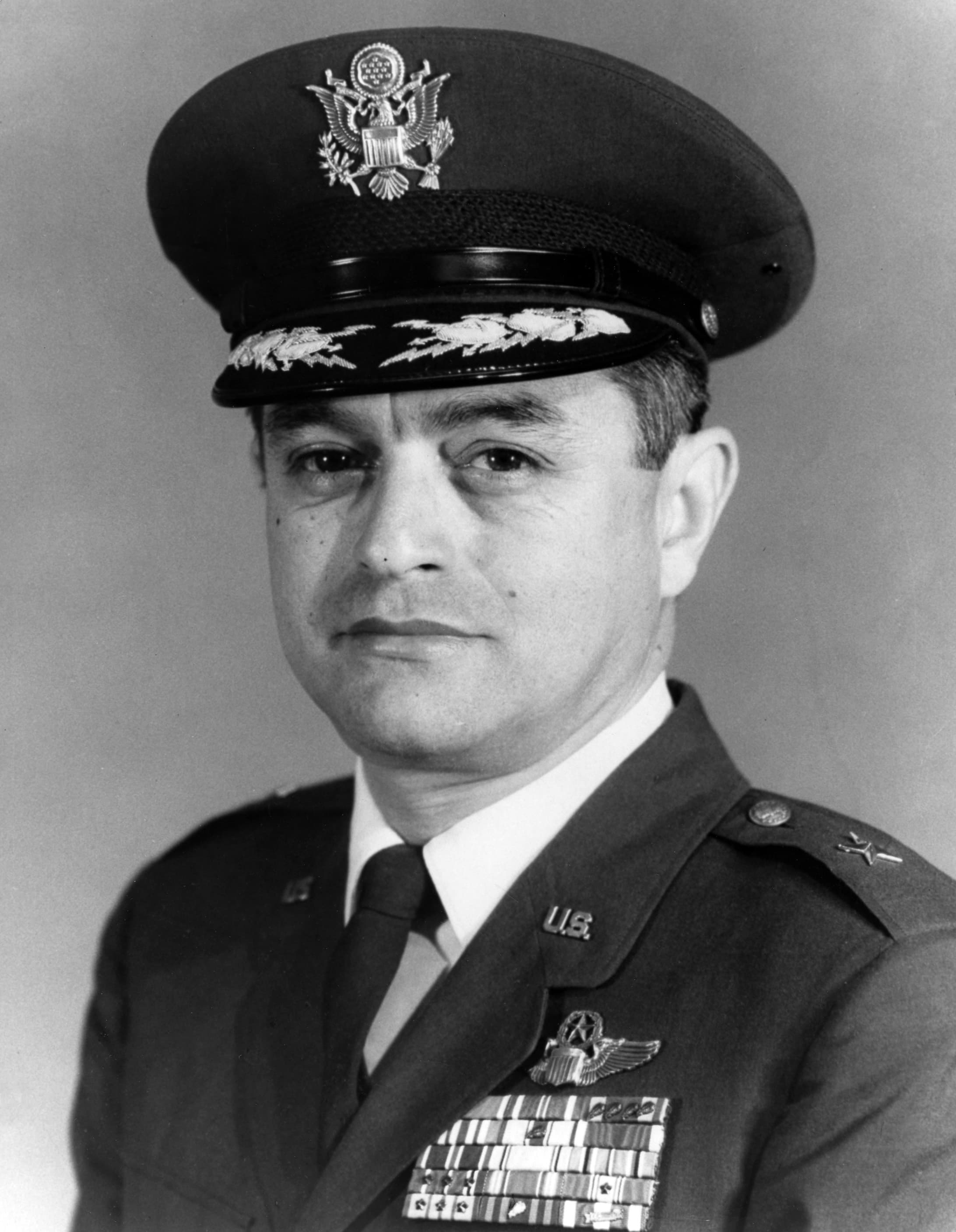
Robert L. "Bob" Cárdenas
1920–2022 · Mexican-American (born in Mexico, raised in the United States)
Military aviation — combat pilot and flight test
WHY YOU SHOULD KNOW THEM
Command pilot of the B-29 "Fertile Myrtle" that air-launched Chuck Yeager's Bell X-1 on the first supersonic flight, October 14, 1947
THEIR STORY
Robert Cárdenas was born in Mérida, in Mexico's Yucatán Peninsula, and moved with his family to San Diego, California at age five. He grew up American, attending San Diego High School and San Diego State University, but his birthplace and heritage placed him among a small number of Mexican-American officers rising through the U.S. military in the years before and during World War II. Cárdenas enlisted in the California National Guard and became an Army Air Corps pilot cadet, earning his commission as a second lieutenant in July 1941 — just months before the United States entered World War II. He flew B-24 Liberator bombers on combat missions over Germany, one of the most dangerous jobs in the entire war; heavy bomber crews took catastrophic losses over German airspace. On his twentieth mission, his aircraft was shot down. Cárdenas evaded capture on the ground and made his way through Switzerland and France back to Allied lines — a harrowing escape that most shot-down airmen never managed. After the war, Cárdenas moved into flight testing, one of the most technically demanding and genuinely dangerous jobs in aviation. He evaluated captured German jet aircraft, including the Me-262 and Arado 234 — Germany's most advanced wartime aircraft — giving the U.S. military some of its earliest hands-on experience with jet technology. That expertise put him at the center of one of the most important moments in aviation history: on October 14, 1947, Cárdenas served as operations officer and command pilot of the B-29 Superfortress nicknamed "Fertile Myrtle," which carried the rocket-powered Bell X-1 aloft and released it in midair. Minutes later, test pilot Chuck Yeager flew that X-1 past the speed of sound — the first confirmed supersonic flight by a human being. Cárdenas wasn't a footnote to that mission; getting the X-1 safely to altitude and releasing it correctly was a genuinely difficult flying job in its own right, and it required exactly the kind of precise, disciplined test-pilot skill Cárdenas had built flying captured enemy jets. His career kept going for decades after that: he commanded Air Force special operations forces, served in Korea, India, Pakistan, Thailand, and Vietnam, and later worked in nuclear war planning before retiring as a Brigadier General in 1973. His decorations include the Distinguished Service Medal, the Distinguished Flying Cross, and the Purple Heart. He was inducted into the San Diego Air & Space Museum's International Air & Space Hall of Fame in 2008, and he lived to age 102, passing away in San Diego — the city he'd grown up in after leaving Mexico — in 2022, on his own birthday.
WHAT THEY ACTUALLY DID
As a flight-test operations officer, Cárdenas planned and flew the exact mission profile needed to safely air-launch an experimental rocket plane at altitude — split-second timing and precision flying with no prior playbook to follow, since no one had ever done it before.
WHAT YOU'RE LEARNING THAT CONNECTS
The X-1 mission he flew support for is the real-world origin point for a huge amount of modern aerodynamics: what happens to lift, drag, and control as an aircraft approaches and exceeds the speed of sound. The four forces of flight students learn about behave very differently once you're flying as fast as Yeager was that day.
DID YOU KNOW?
He was shot down over Germany on his 20th combat mission and evaded capture, escaping through Switzerland and France back to Allied lines.He lived to be 102 years old and passed away on his own birthday.
SOURCES
San Diego Air & Space Museum International Air & Space Hall of Fame; official U.S. Air Force biography
Photo: Unknown USAF Photographer · Public domain · Source