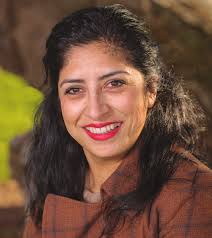
Mary Jackson
1921–2005 · American
Aerospace engineering — aerodynamics research
WHY YOU SHOULD KNOW THEM
NASA's first Black female aerospace engineer, promoted in 1958 from the agency's segregated "computer" pool
THEIR STORY
Mary Jackson began her NASA career (then still called NACA, the National Advisory Committee for Aeronautics) as one of the agency's "human computers" — women, many of them Black, who performed complex mathematical calculations by hand before electronic computers existed. To move from that computing pool into a formal engineering role, she had to petition a Virginia court for special permission to take the segregated graduate-level math and physics courses required for the promotion, since Black students weren't otherwise permitted to attend those classes alongside white students. She won that fight, completed the coursework, and in 1958 became NASA's first Black female aerospace engineer. Her engineering specialty was boundary-layer research — studying how air actually behaves in the extremely thin layer immediately at an aircraft's surface, especially at high speeds. That's not an abstract question: boundary-layer behavior directly affects how much drag an aircraft experiences, how much aerodynamic heating it generates, and how well its control surfaces perform. Her wind-tunnel research and data analysis fed directly into real aircraft design decisions, work she carried out over a nearly two-decade engineering career at NASA Langley. Later in her career, she moved into a role focused on hiring and promoting women into NASA's science and engineering positions, using her own hard-won position to open doors for others the way she'd had to force open her own. Her story, along with those of fellow NASA mathematicians Katherine Johnson and Dorothy Vaughan, became widely known through the book and film Hidden Figures, though her specific boundary-layer engineering work — the actual technical substance of her career — is less commonly told than the story of the barriers she overcame to do it.
WHAT THEY ACTUALLY DID
As a boundary-layer researcher, Jackson studied how air flows in the thin layer right at an aircraft's surface at high speed — data that directly affects drag, aerodynamic heating, and control performance, feeding real engineering decisions about aircraft design.
WHAT YOU'RE LEARNING THAT CONNECTS
Boundary-layer behavior is a deeper, more technical layer of the same aerodynamics fundamentals — lift, drag, airflow — that every student studying the four forces of flight starts learning at a simpler level.
DID YOU KNOW?
She had to petition a Virginia court for special permission to take the segregated graduate-level courses required for her engineering promotion.Her story was told in the book and film Hidden Figures, alongside fellow NASA mathematicians Katherine Johnson and Dorothy Vaughan.
SOURCES
NASA official biography; Wikipedia
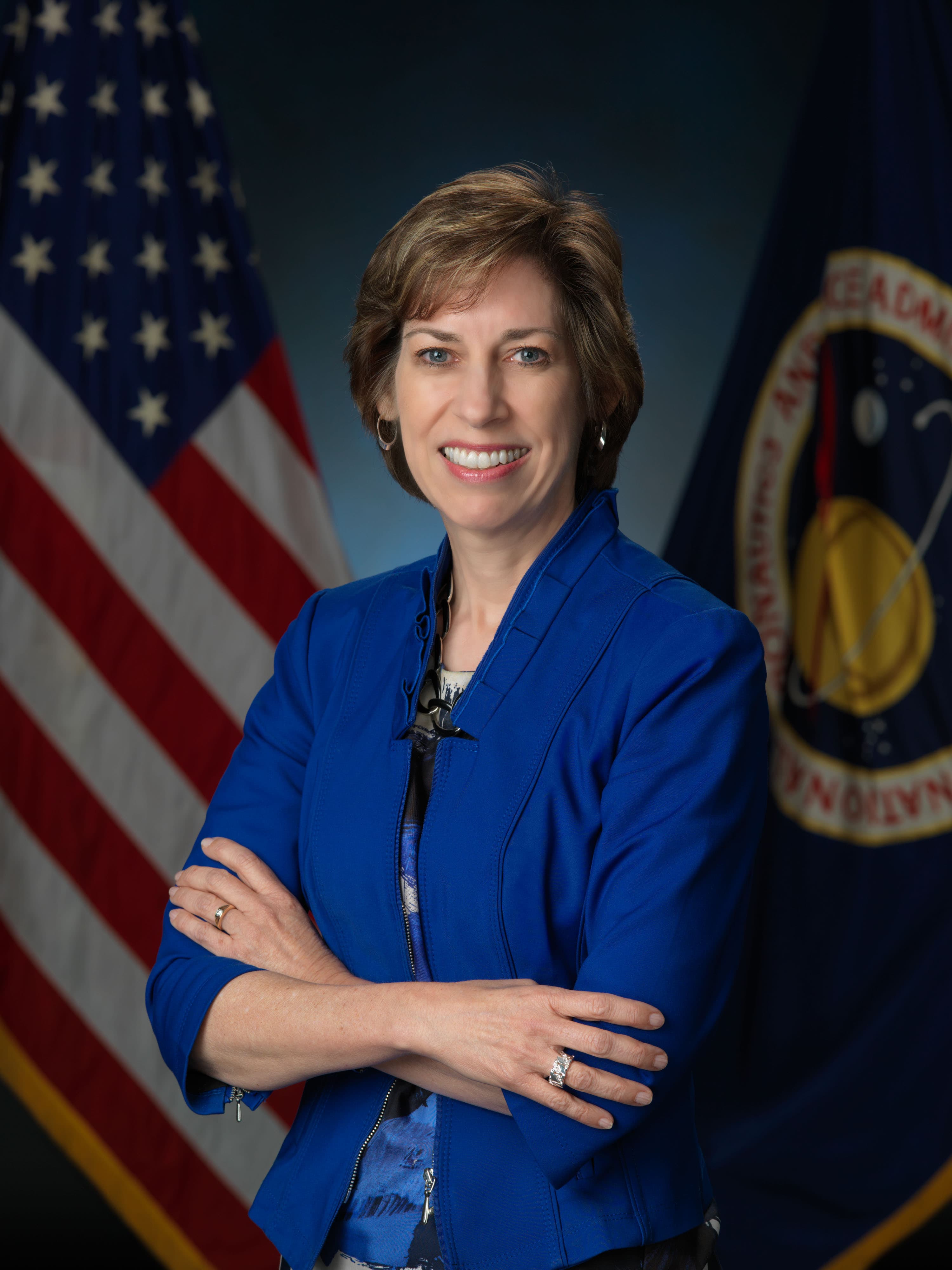
Photo: NASA / Langley Research Center · Public domain (U.S. federal government work) · Source