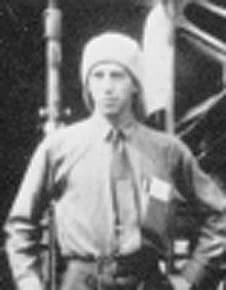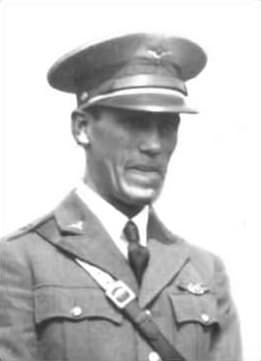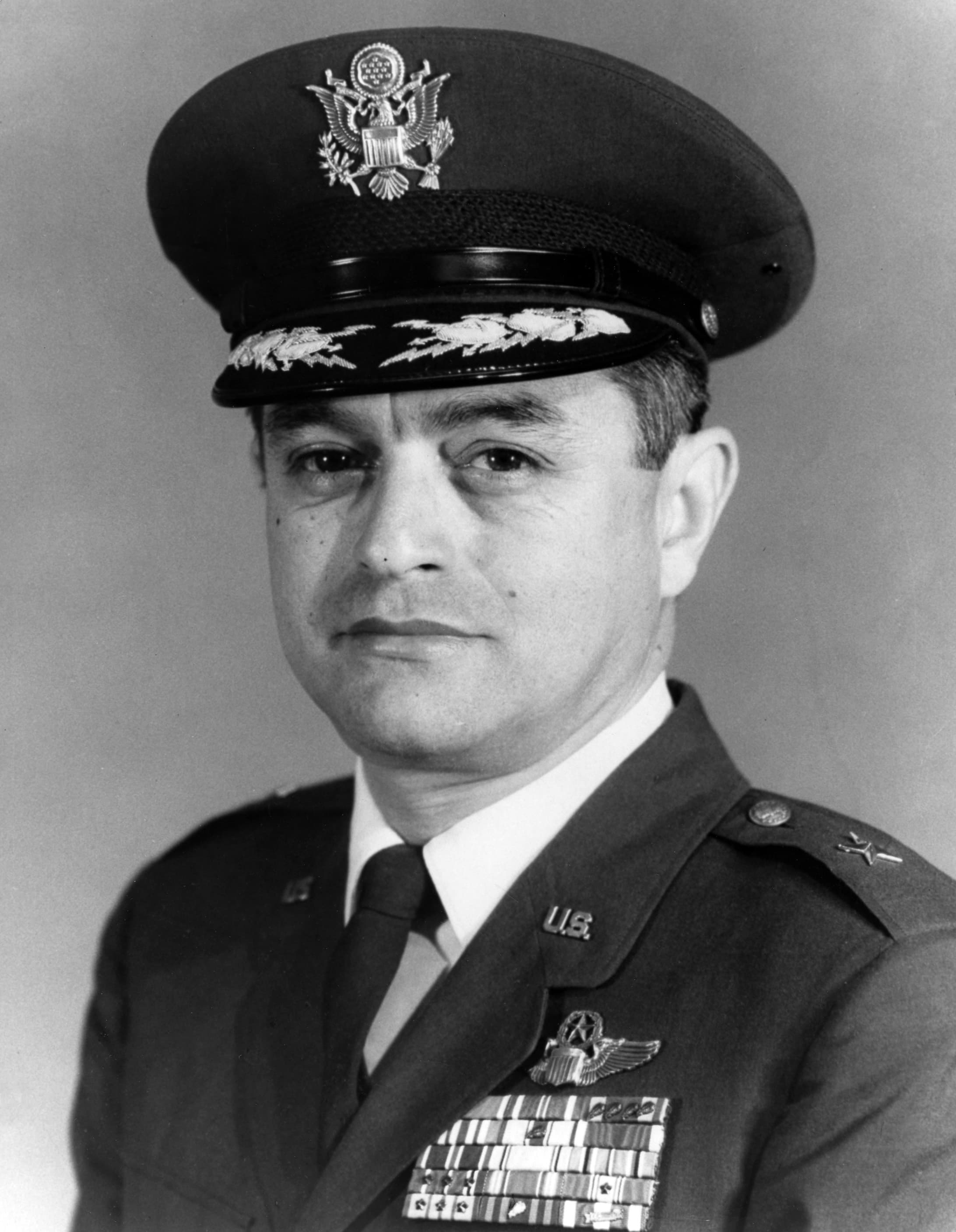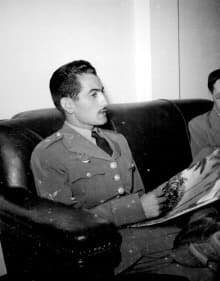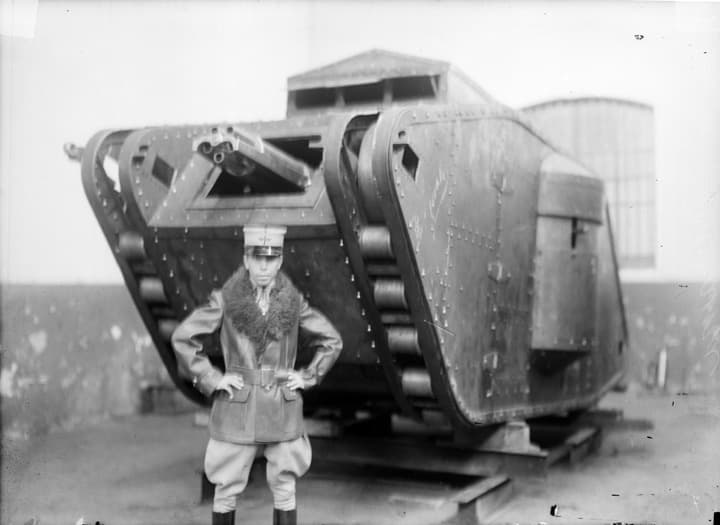
Alberto Salinas Carranza
1892–1970 · Mexican
Military aviation — founder and institution-builder
WHY YOU SHOULD KNOW THEM
One of the first military pilots of the Mexican Air Force; founded Mexico's first air squadron, its national aircraft workshops, and its pilot school
THEIR STORY
Alberto Salinas Carranza grew up in Cuatro Ciénegas, a small town in the northern state of Coahuila — the same hometown, by coincidence, of the revolutionary leader and future president Venustiano Carranza, to whose extended family he was related. Like many young Mexicans of his generation with a technical bent, he crossed the border to study, earning a mechanical and electrical engineering education at Rensselaer Polytechnic Institute in the United States. Engineering, not flying, was his first calling. Aviation itself was barely a decade old anywhere in the world when Salinas Carranza got involved. Mexico was in the middle of its Revolution, and the constitutionalist forces — the faction that would eventually control the national government — recognized early that airplanes could matter in a country with difficult terrain and long distances between fronts. In February 1915, Salinas Carranza was commissioned to lead the constitutionalists' fledgling air arm, moving from a cavalry background into a technology almost nobody in Mexico understood yet. He organized the country's first real air squadron — just three aircraft — and helped fly and command it in combat during the Revolution's chaotic final years. Building an air force out of nothing meant more than flying. Airplanes broke down constantly, spare parts were scarce, and there was no local industry to supply either. Salinas Carranza founded and ran Mexico's National Aircraft Construction Workshops, where mechanics learned to build and repair aircraft domestically instead of depending entirely on imports. He also organized the military's pilot school, turning flying from something a handful of self-taught enthusiasts did into something the government could systematically teach. For several years he edited *Tohtli*, an aviation magazine that spread technical knowledge to the small but growing community of Mexican pilots and mechanics. His career then moved into diplomacy and administration: he served as a military attaché representing Mexico's air interests in Washington, D.C., in France, and in Yugoslavia, and later directed Mexico's Civil Aeronautics Department from 1941 to 1944 — the years Mexico was also organizing its military contribution to World War II. He was promoted to Brigadier General during this period, and official Mexican government sources also credit him with later service as a senator from Coahuila, though the exact dates of that term aren't well documented in the sources available. He retired from active military service as a Division General in 1964, and even then, President Gustavo Díaz Ordaz kept him on as an aviation policy advisor — a sign of how much institutional memory he carried. He died in Mexico City in 1970.
WHAT THEY ACTUALLY DID
As a military aviation administrator, Salinas Carranza organized flight schools, ran aircraft-construction workshops that built and repaired planes domestically, and edited a technical aviation magazine — the institutional infrastructure work that lets an air force actually function, separate from flying itself.
WHAT YOU'RE LEARNING THAT CONNECTS
Every certification path this app supports — Part 107, Part 61, Snap-on — exists because someone had to first decide what a pilot or technician needs to know and build a school around it. Salinas Carranza did exactly that for Mexico's first generation of military aviators, before any of that knowledge was standardized.
DID YOU KNOW?
He ran an aviation magazine, Tohtli, to help spread technical knowledge among Mexico's earliest pilots and mechanics.After retiring from military service in 1964, a Mexican president still kept him on as an aviation policy advisor.
A NOTE ON HISTORICAL UNCERTAINTY
Some sources describe him as a cousin of Gustavo Salinas Camiña through the extended Carranza family, but this exact relationship isn't independently confirmed beyond a single secondary source — the two are distinct people from the same hometown, not brothers.
SOURCES
Secretaría de la Defensa Nacional (SEDENA), official biography; Wikipedia (EN/ES), cross-checked
Photo: Fototeca Nacional, INAH — Archivo Casasola · CC BY-NC-ND 4.0 · Source