R. Dale Reed
1930–2005 · American
Aerospace research engineering
WHY YOU SHOULD KNOW THEM
Originated NASA's Lifting Body program (which informed Space Shuttle design) and the Remotely Piloted Research Vehicle program, a direct ancestor of today's drones
THEIR STORY
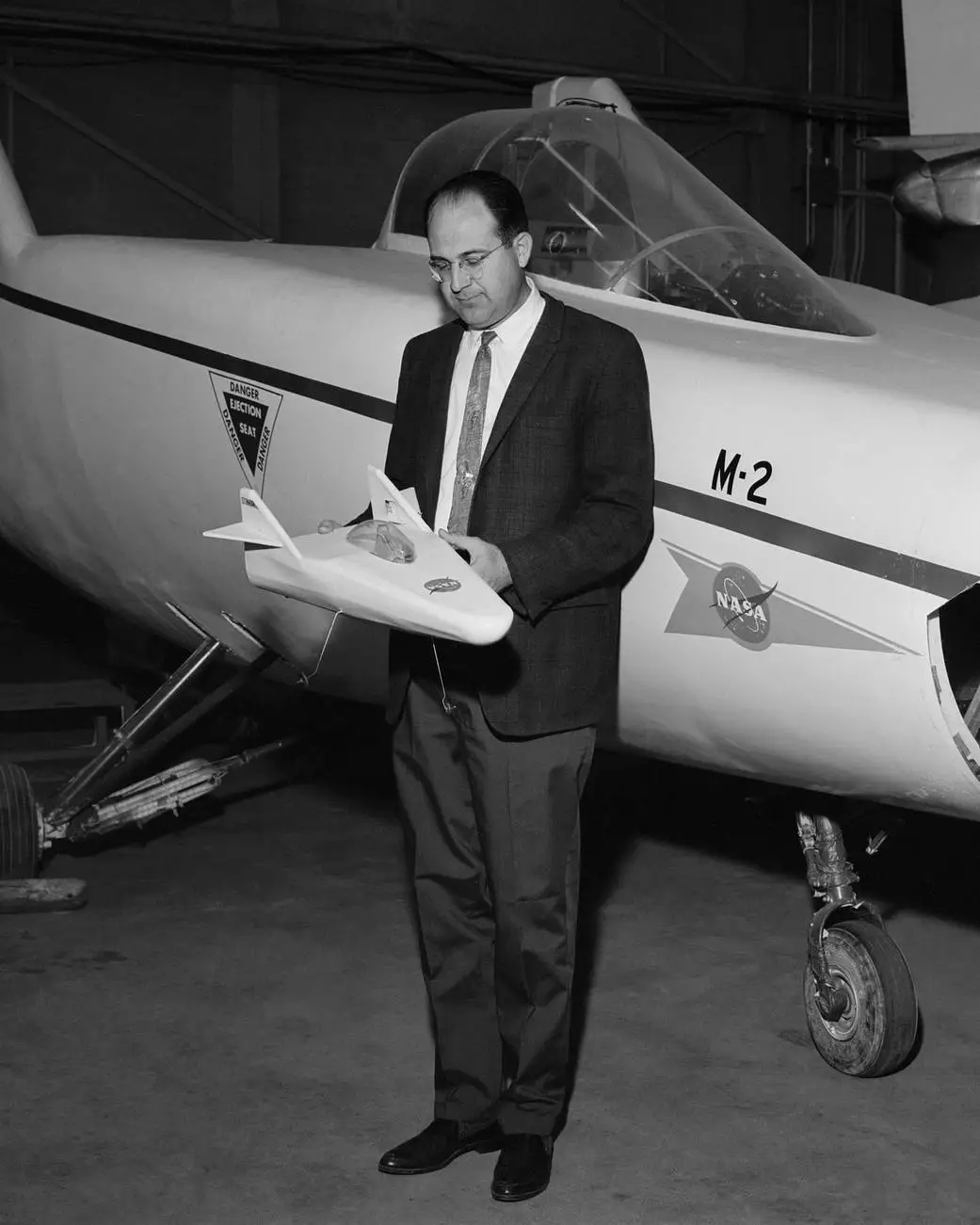
R. Dale Reed earned a mechanical engineering degree from the University of Idaho and joined what's now NASA's Armstrong Flight Research Center in 1953, beginning a career there that lasted roughly 52 years. He had two ideas, decades apart, that each reshaped a different part of aerospace history. The first came from a genuinely strange question: could a wingless vehicle land safely by generating lift from its own body shape alone, rather than from wings? Reed proposed exactly that, and with the backing of center director Paul Bikle, he got the M2-F1 built and flying by 1963. That success led to the M2-F2, M2-F3, HL-10, and X-24A/B — a whole family of "lifting body" test vehicles — and the data from that entire program directly informed the aerodynamic design of the Space Shuttle, which also glides to a runway landing without powered engines. His work earned him the nickname "Father of the Lifting Bodies." The second idea came from something closer to a hobby: Reed had a lifelong fascination with model airplanes, and he used it to launch NASA's Remotely Piloted Research Vehicle (RPRV) program — building a real ground-based control station that flew a test aircraft, the Hyper III, entirely by radio uplink, with a human pilot "in the loop" from the ground rather than in the cockpit. It was one of the first serious demonstrations that an aircraft could be usefully flown this way, a direct conceptual ancestor of the unmanned aircraft systems flown today. Reed won the AIAA Outstanding Technical Paper award in 1968 and its Outstanding Technical Contributor award in 1967, later receiving the Kelly Johnson Award as well. He continued working at NASA on programs including the X-38 into the 1990s, and remained there until his death in 2005 — a career that connected the earliest ideas behind both the Space Shuttle and the modern drone.
WHAT THEY ACTUALLY DID
As a research engineer, Reed designed experimental test vehicles and built the actual ground infrastructure — control stations, radio uplinks, flight-test procedures — needed to prove genuinely new and unproven flight concepts safely before anyone would trust them on a real mission.
WHAT YOU'RE LEARNING THAT CONNECTS
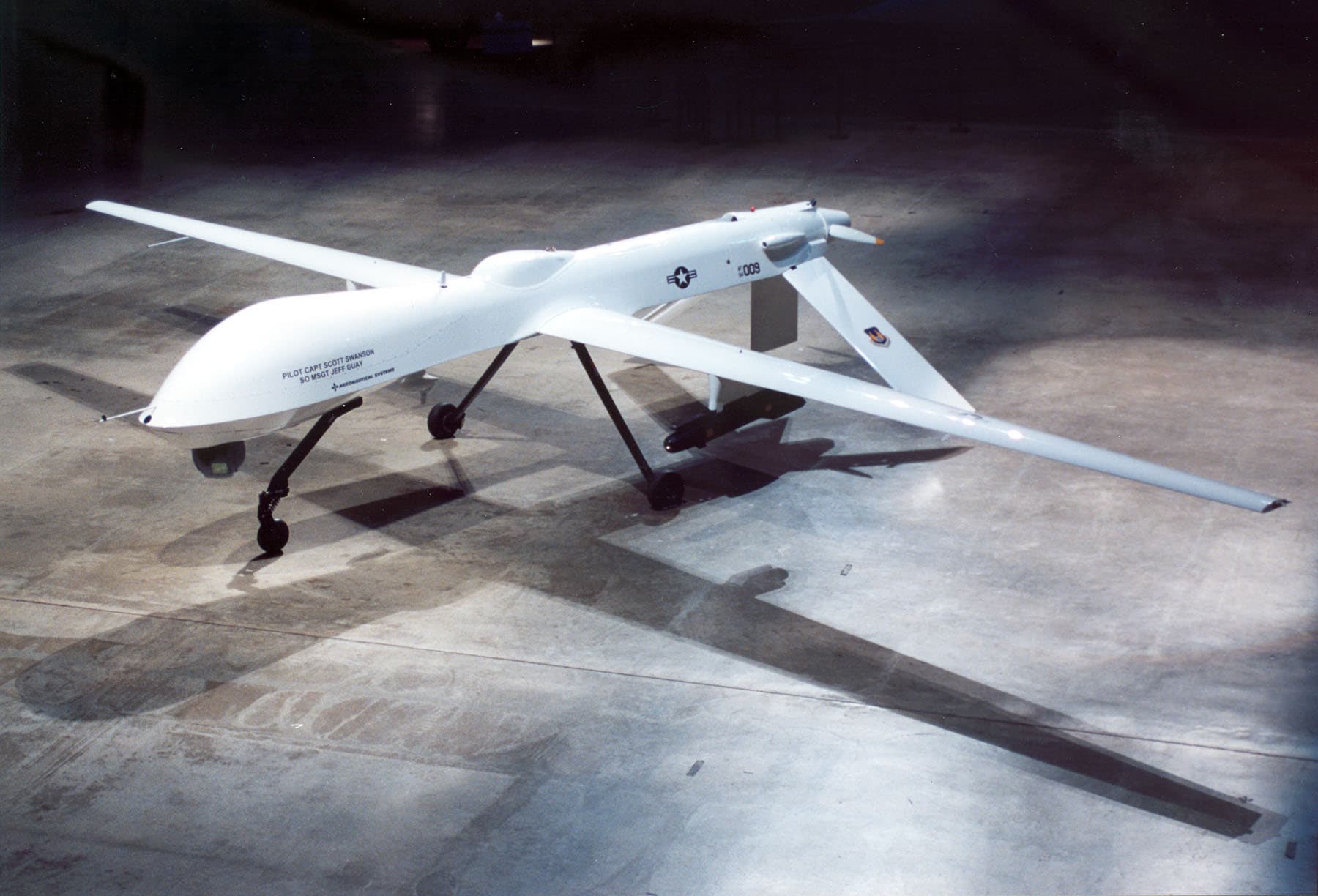
His Remotely Piloted Research Vehicle program is the direct technical ancestor of every drone flown under Part 107 today — a pilot on the ground, controlling an aircraft entirely by remote link, is exactly the concept he helped prove was possible.
DID YOU KNOW?
His Hyper III test aircraft, flown by ground-based radio control in the 1960s-70s, was one of the first real demonstrations of what became the modern drone.The data from his "lifting body" test vehicles directly shaped how the Space Shuttle was designed to glide to a runway landing.
SOURCES
Wikipedia; NASA SP-4220 "Wingless Flight: The Lifting Body Story"
Photo: NASA · Public domain (U.S. Government work) · Source