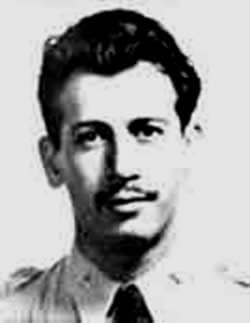
Héctor Espinosa Galván
1918–1945 · Mexican
Military aviation — fighter pilot
WHY YOU SHOULD KNOW THEM
Served as a pilot in Escuadrón 201 during its WWII Philippines deployment
THEIR STORY
Héctor Espinosa Galván came from Chetumal, in Mexico's far southeastern territory of Quintana Roo, a long way from the country's aviation centers. He completed his flight training in March 1943 at the U.S. Naval Air Station in Corpus Christi, Texas, working through basic, advanced, and instrument flight courses as part of the pipeline that prepared Mexican pilots for Escuadrón 201. He deployed with the squadron to the Philippines as part of Mexico's only overseas combat unit in World War II. On July 16, 1945, while ferrying an aircraft from the Philippines toward Biak, New Guinea — a routine but genuinely dangerous logistics mission, not a combat sortie — his flight ran into poor weather roughly 30 miles from Biak. Espinosa radioed that he had run out of fuel and was ditching in the ocean. His aircraft went down, and despite search efforts by fellow pilots, he was never found. His death was not glamorous or dramatic in the way combat losses are sometimes remembered — it was the kind of operational accident that happens when weather, fuel planning, and distance all go wrong at once, far from any battle. He received Mexico's "Servicio en el Lejano Oriente" (Far East Service) medal for his service. Decades later, in 2004, Mexico's Congress established May 2 as an annual day to commemorate the fallen pilots of the Fuerza Aérea Expedicionaria Mexicana, marked each year at the Escuadrón 201 monument in Chapultepec Park in Mexico City — a permanent reminder that Espinosa and pilots like him are still honored as part of that unit's history.
WHAT THEY ACTUALLY DID
As a fighter pilot assigned to ferrying duty, Espinosa's job was to fly aircraft long distances between bases — a mission that requires precise fuel and weather planning, since there's no room for error when the nearest safe landing is hundreds of miles away.
WHAT YOU'RE LEARNING THAT CONNECTS
His final flight is a real, sobering example of exactly the kind of fuel-planning and weather-decision math that flight planning lessons exist to teach — the margin between a safe ferry flight and a fatal one is calculated before takeoff, not improvised in the air.
DID YOU KNOW?
Mexico's Congress established May 2 as an annual day honoring the fallen pilots of the Fuerza Aérea Expedicionaria Mexicana, commemorated at the Escuadrón 201 monument in Chapultepec Park.
SOURCES
SEDENA official biography; La Silla Rota
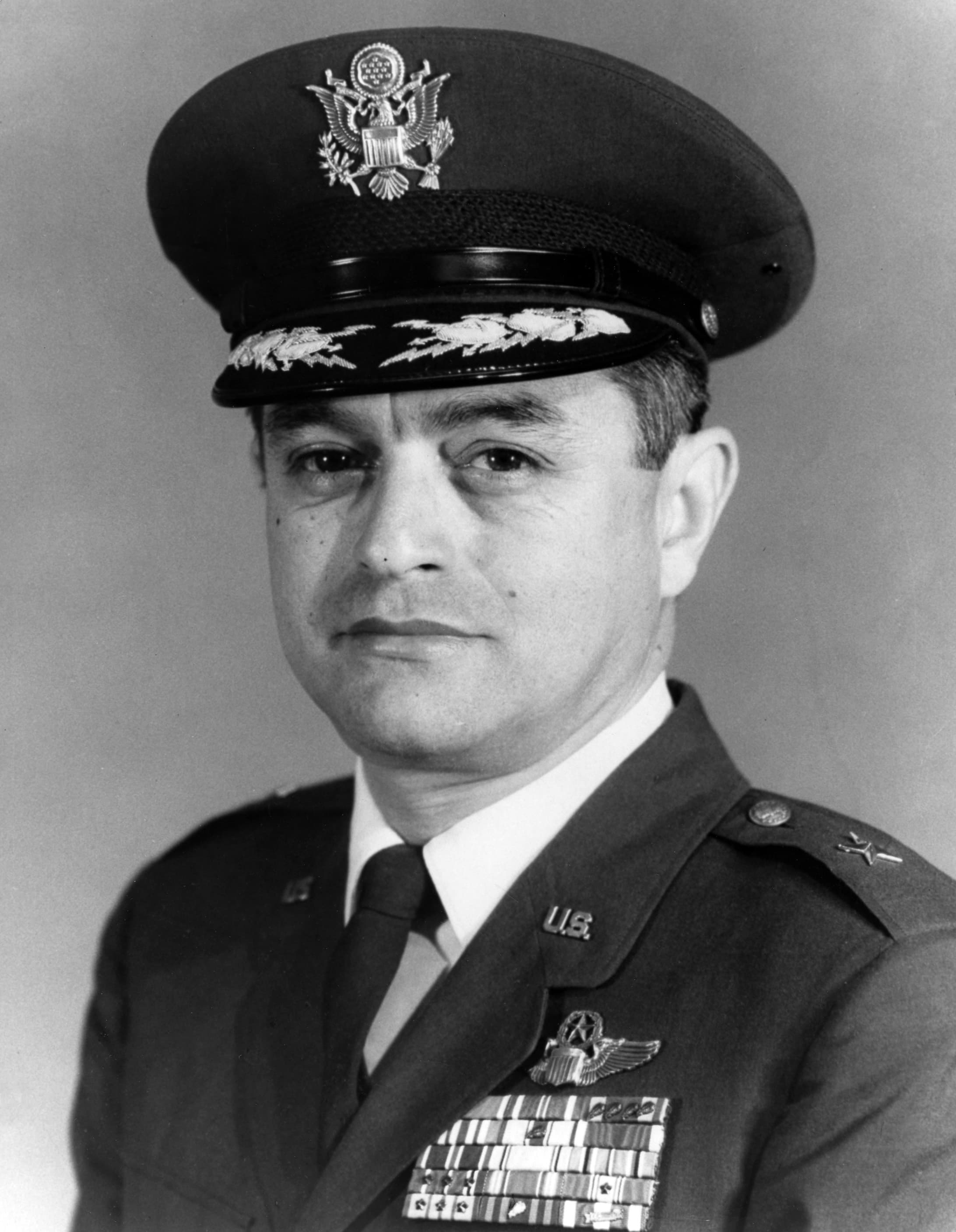
Photo: Secretaría de la Defensa Nacional (SEDENA) · Official Mexican federal government (SEDENA) publication, published on gob.mx as part of an official biography page for a fallen Escuadrón 201 pilot — same sourcing pattern already used elsewhere in pioneers.json (e.g. salinas_carranza uses an INAH government-archive source). License terms should be confirmed against gob.mx's site-wide terms of use before final publish, but this is a first-party official-government portrait, not a scraped/thumbnail image. · Source