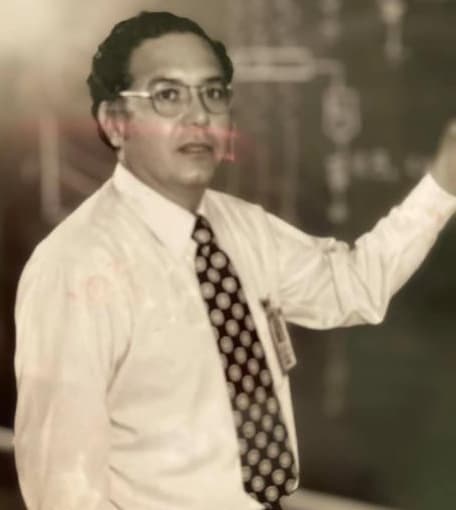
César Maximiliano Gutiérrez Marín
1924–2025 · Mexican
Military aviation — radio/signals communications
WHY YOU SHOULD KNOW THEM
Served as a Transmisiones (signals/radio) sergeant with Escuadrón 201/FAEM in the Philippines; last living survivor of the unit
THEIR STORY
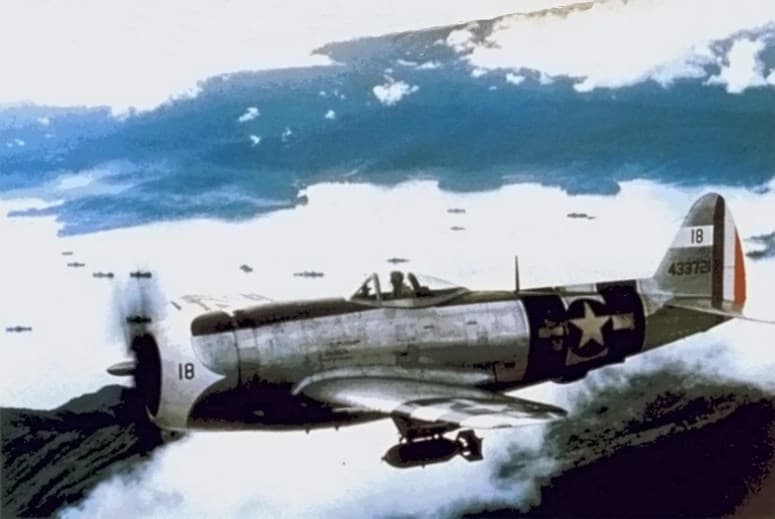
César Maximiliano Gutiérrez Marín enlisted in the Mexican military on July 20, 1942, training at the Military School of Transmissions — signals and radio communications, not flying. In 1944 he joined the Aeronautic Improvement Group, which was reorganized into the Fuerza Aérea Expedicionaria Mexicana, the expeditionary force built around Escuadrón 201. He deployed to the Philippines in March 1945 as one of roughly 300 Mexican personnel sent overseas — only 16 of whom were pilots. The other 284, including Gutiérrez Marín, were support personnel: mechanics, ground crew, and communications specialists like him, without whom the squadron's more than 90 combat operations between May and August 1945 could never have happened. As a Transmisiones sergeant, his job was operating and maintaining the radio systems that connected aircraft in flight to command on the ground — coordinating missions, relaying orders, and keeping the whole operation connected across combat conditions in the Pacific. He returned to Mexico in November 1945 and was awarded the "Servicio en el Lejano Oriente" (Far East Service) medal. He stayed in the military for decades, finally retiring in 1970 after 28 years of service, and spent his later years at a retirement home for military veterans in Jiutepec, Morelos. In January 2025, months before his death, Mexico's Secretary of National Defense personally visited him — a gesture the Secretary himself called one of the most memorable moments of his own military career. Gutiérrez Marín died on May 3, 2025, at 100 years old, the last living member of Escuadrón 201, closing a living chapter of Mexican aviation history that had lasted eight decades.
WHAT THEY ACTUALLY DID
A Transmisiones sergeant operated and maintained the radio equipment linking aircraft to ground command — the historical equivalent of a modern avionics or communications technician, keeping an entire squadron's operations coordinated under real combat conditions rather than flying a plane himself.
WHAT YOU'RE LEARNING THAT CONNECTS
His role is a direct historical ancestor of the radio communications and air-to-ground coordination systems taught in avionics and airspace lessons today — someone has always had to keep aircraft and command talking to each other.
DID YOU KNOW?
He was visited and personally honored by Mexico's Secretary of National Defense just months before his death at age 100.He was the last living survivor of Escuadrón 201, dying in 2025 — eighty years after the squadron's Philippines deployment.
SOURCES
SEDENA press release; Excélsior; Kiosco de la Historia
Photo: U.S. Army Air Force / Wikimedia Commons · Public domain (U.S. federal government work) · Source