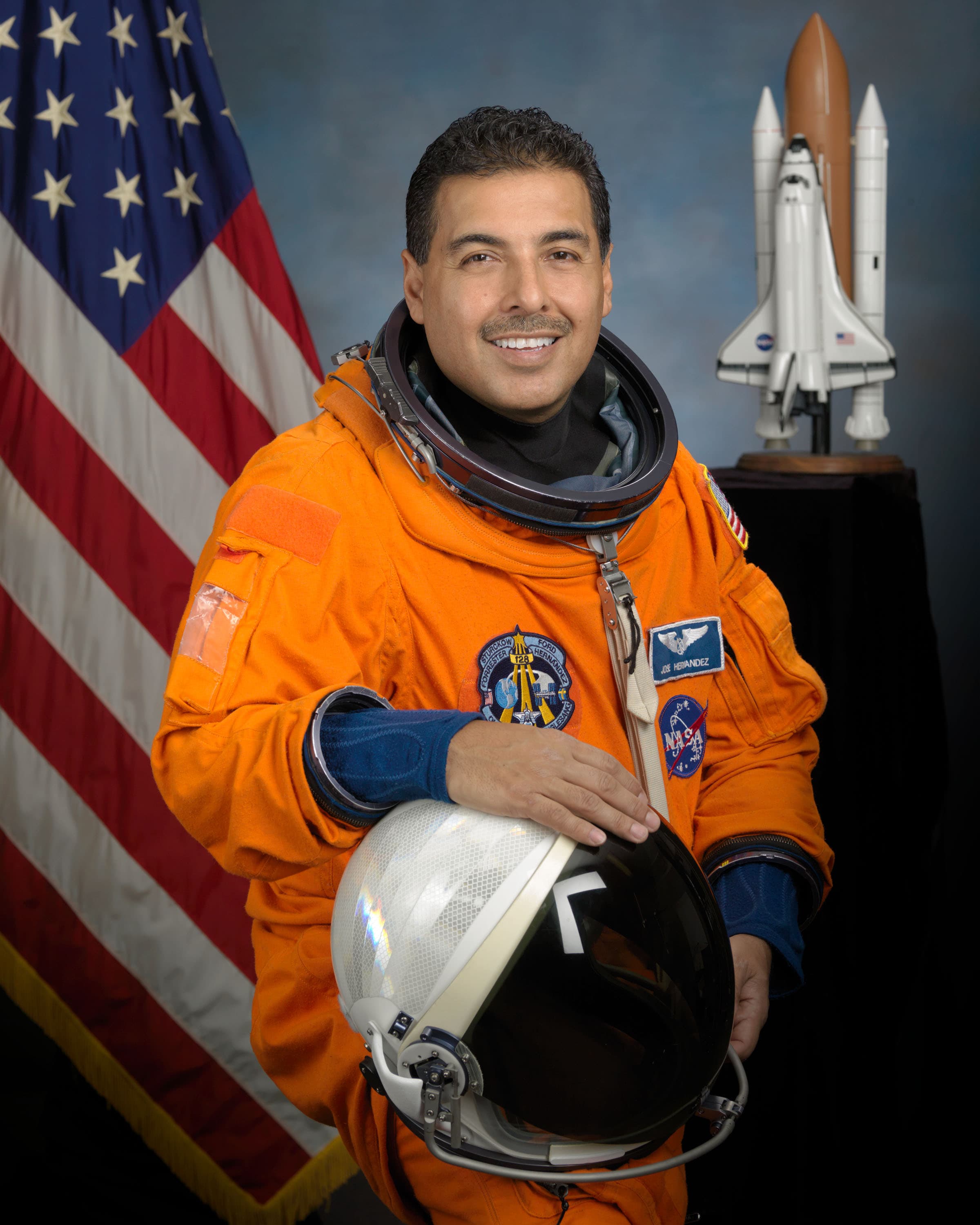
José M. Hernández
b. 1962 · Mexican-American
Aerospace engineering and spaceflight
WHY YOU SHOULD KNOW THEM
NASA astronaut, STS-128 (2009); co-developed the first full-field digital mammography imaging system
THEIR STORY
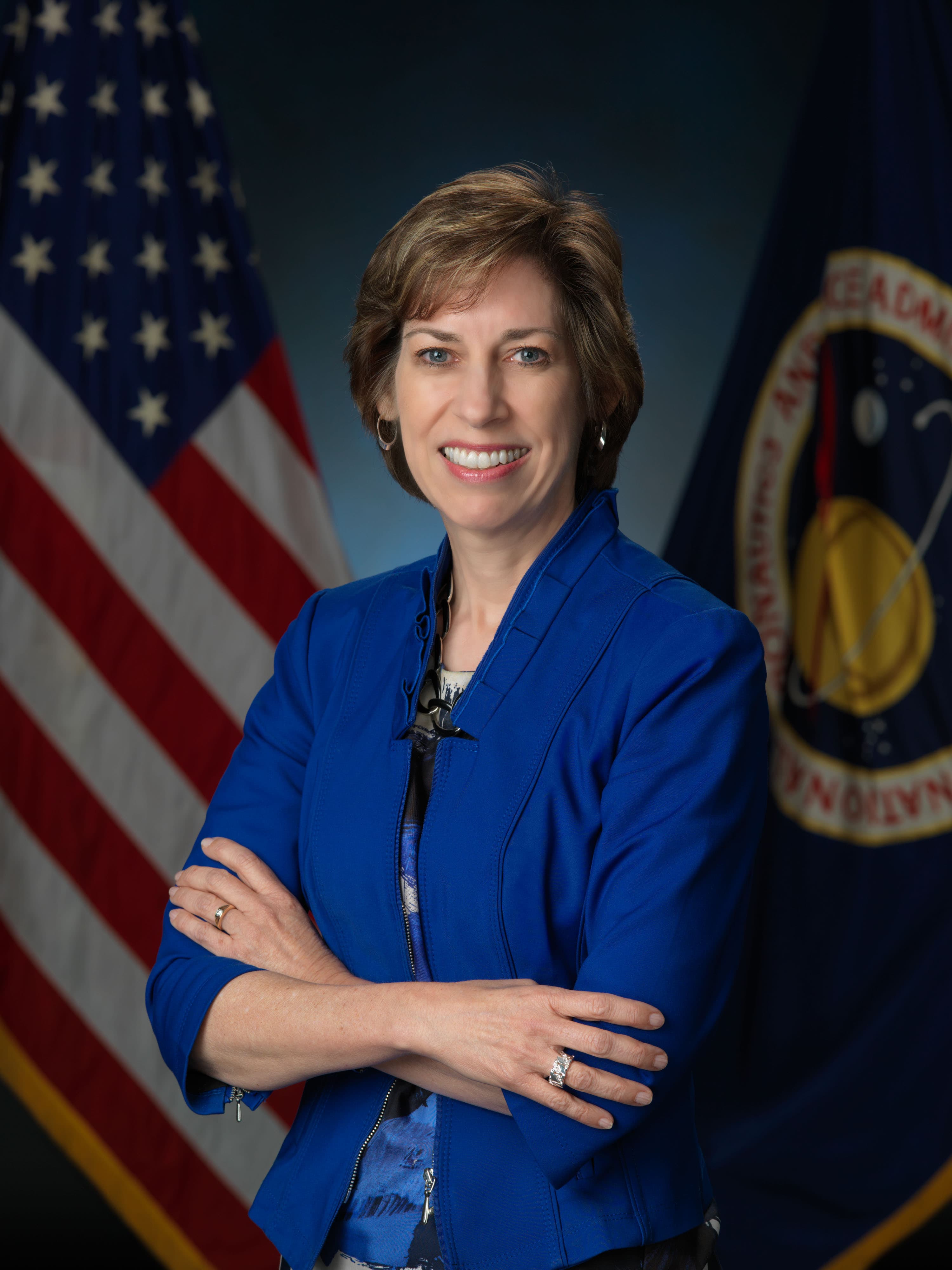
José M. Hernández grew up in a Mexican-American migrant farmworker family, splitting time between the town of La Piedad, Michoacán, Mexico, and agricultural fields in California, following the crop seasons the way migrant families do. He didn't learn English until he was 12 years old, when his family finally settled permanently in California. He earned a bachelor's degree in Electrical Engineering from the University of the Pacific in 1984, then a master's in Electrical and Computer Engineering from UC Santa Barbara in 1986. At Lawrence Livermore National Laboratory, he co-developed the first full-field digital mammography imaging system — real medical technology used to detect breast cancer — a significant engineering accomplishment entirely separate from his later spaceflight career. His path to NASA was defined by persistence: he applied to the astronaut program and was rejected eleven times before finally being selected in May 2004. He completed astronaut candidate training in 2006 and served 11 days as an aquanaut aboard NEEMO 12, an underwater habitat NASA uses to simulate space conditions. In 2009, he flew aboard Space Shuttle Discovery on mission STS-128, an 11-day ISS resupply mission, serving as a mission specialist and flight engineer — and along the way became the first person to send a Twitter post in Spanish from space. He retired from NASA in 2011 and ran for the U.S. Congress from California's 10th district in 2012, winning the primary before losing the general election. Today he serves as a University of California Regent and owns Tierra Luna Cellars, a vineyard. He wrote a memoir, Reaching for the Stars, and his life story became the basis for the 2023 biopic A Million Miles Away, starring Michael Peña.
WHAT THEY ACTUALLY DID
As a mission specialist and flight engineer, he operated Space Shuttle Discovery's systems and its robotic arm during a real International Space Station resupply mission — and his pre-NASA engineering work building medical imaging technology is itself a concrete example of how an electrical engineering degree can lead to work that saves lives on Earth, not just in space.
WHAT YOU'RE LEARNING THAT CONNECTS
His path — engineering degree, real industry work, then years of repeated rejection before achieving a specific goal — is a grounded, honest counterexample to the idea that career success in aerospace happens on the first try.
DID YOU KNOW?
He was rejected by NASA's astronaut program eleven times before finally being selected in 2004.He became the first person to send a Twitter post in Spanish from space.His life story became the 2023 biopic A Million Miles Away.
SOURCES
Wikipedia, citing NASA/JSC records and his memoir Reaching for the Stars
Photo: NASA · Public domain · Source